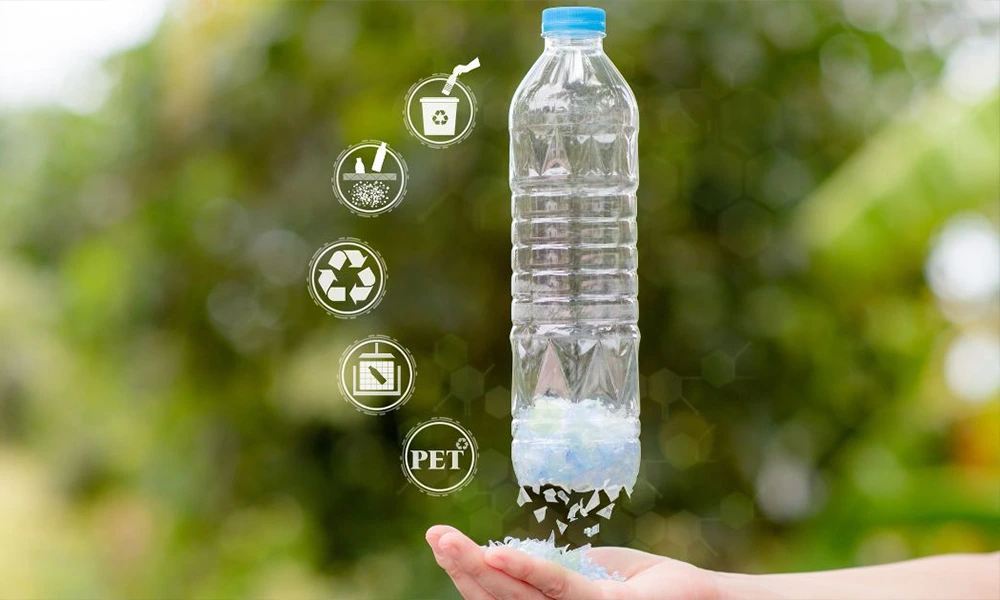
Every single day, millions of people reach for packaged water bottles assuming that bottled water is the cleanest, safest hydration option available. However, scientific research reveals a troubling reality: traditional single-use PET plastic bottles pose significant risks to human health through chemical leaching and microplastic shedding, while polluting our landfills and oceans for centuries.
As awareness grows, biodegradable water bottles have emerged as a revolutionary alternative. Made from 100% plant-based materials like sugarcane bagasse and Polylactic Acid (PLA), these innovative bottles deliver the convenience of disposable containers without the toxic burden.
Here is a detailed breakdown of why switching to plant-based, biodegradable water bottles is safer for your health, your family, and the planet.
The Hidden Health Hazards of Conventional PET Plastic Bottles
To understand why biodegradable alternatives are essential, we must look closely at what happens when drinking water is stored in standard petroleum-based plastic containers.
1. Chemical Leaching and Endocrine Disruptors
Conventional plastic bottles are manufactured using synthetic polymers derived from crude oil. Under common conditions such as leaving a water bottle in a warm car, re-using a disposable bottle, or exposing it to sunlight, plastic begins to degrade.
This structural degradation causes synthetic chemicals to leech directly into your drinking water:
- Bisphenol A (BPA) and BPS: Synthetic compounds that mimic estrogen in the human body, disrupting hormone balance, reproductive health, and metabolic function.
- Phthalates: Additives used to make plastic flexible, which have been linked to endocrine disruption and cardiovascular stress.
Even plastic containers marketed as “BPA-Free” often utilize alternative chemical stabilizers (like BPF or BPS) that present similar biological risks.
2. Exposure to Microplastics and Nanoplastics
Recent spectroscopic studies show that a single liter of commercially bottled water in PET plastic can contain over 200,000 microscopic plastic particles. Every time you twist open a plastic cap or squeeze a plastic bottle, microscopic fragments break off and drop into the water.
Once ingested, nanoplastics can pass through the intestinal lining, entering the bloodstream and accumulating in organs such as the liver, kidneys, and brain—triggering cellular inflammation and oxidative stress.
What Makes Biodegradable Water Bottles Safer for Human Health?
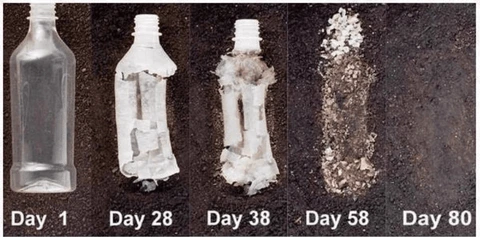
Biodegradable water bottles engineered by sustainable innovators like SAKRT eliminate petroleum derivatives entirely, replacing toxic chemistry with natural plant biology.
1. 100% Plant-Based, Non-Toxic Composition
Instead of fossil fuels, certified biodegradable water bottles are crafted from renewable agricultural inputs primarily Polylactic Acid (PLA) derived from fermented cornstarch, sugar beet, or sugarcane bagasse.
- Zero Petrochemicals: No synthetic polymers, oil-based resins, or artificial plasticizers.
- Food-Grade Safety: Plant-based PLA containers interact naturally with liquids without leaching harmful endocrine disruptors or altering the natural taste of clean drinking water.
2. Complete Elimination of Microplastic Shedding
Because plant-based fibers decompose into organic matter rather than synthetic fragments, biodegradable bottles do not shed harmful microplastics or persistent synthetic particles during daily handling, temperature shifts, or transport.
Environmental Safety: From Bottle to Soil in Months
Safety extends beyond immediate human consumption—it encompasses the ecosystem we inhabit.
Based on the provided file image_565643.png, conventional PET plastic bottles and SAKRT biodegradable water bottles differ significantly across several key features.
The primary raw material for conventional PET bottles consists of fossil fuels and petroleum, whereas SAKRT bottles are manufactured using sugarcane bagasse and PLA cornstarch. In terms of chemical additives, conventional bottles contain BPA, phthalates, and heavy metals. Conversely, SAKRT bottles rely on 100% organic, non-toxic compounds.
Their environmental impact also varies greatly. The microplastic footprint of conventional bottles involves the release of millions of micro-particles, while SAKRT bottles produce zero synthetic microplastics. Furthermore, conventional bottles have a decomposition time of 400 to 450+ years in landfills. In contrast, the SAKRT biodegradable alternative fully composts in 180 days, or 6 months.
Finally, the regulatory status for conventional PET bottles leaves them subject to strict EPR taxes and bans. SAKRT biodegradable water bottles, however, are CPCB compliant and IS 17088 certified.
1. 180-Day Natural Decomposition
While a standard PET bottle remains intact in a landfill or ocean for over four centuries, certified compostable water bottles are engineered to break down naturally under composting conditions. Microorganisms feed on the organic plant sugars, converting the bottle into carbon dioxide, water, and nutrient-rich organic soil within 6 months.
2. Certified Compliance with IS 17088 & CPCB Standards
When choosing eco-friendly packaging for events, hotels, or corporate facilities, regulatory compliance is crucial. Premium biodegradable bottles produced by SAKRT are certified under IS 17088 and approved by the Central Pollution Control Board (CPCB), guaranteeing that the packaging legally qualifies as 100% compostable with zero toxic residue.
How Businesses and Consumers Can Make the Switch
Whether you are hosting an event, managing a hotel chain, or simply looking to reduce microplastic intake at home, transitioning to plant-based water bottles is straightforward:
- Verify Certification: Always look for official CPCB certification and IS 17088 compliance labels to ensure products are legitimately compostable and not greenwashed.
- Dispose Responsibly: Place used plant-based bottles into organic waste or industrial composting bins where microbial activity can rapidly process the plant fibers.
- Practice Responsible Consumption: Use single-use alternatives mindfully. Opt for reusable options when possible, and choose certified compostable bottles when single-use convenience is necessary.
SAKRT – A Brand of Envirly Innovations Pvt Ltd
Ready to Go Green?
Join hundreds of businesses making the switch to eco-friendly packaging solutions.