India is undergoing a fundamental shift in how materials are produced, consumed, and discarded. With growing environmental consciousness, strict government policy enforcement against single-use plastics, and shifting consumer preferences, bioplastics have emerged as one of the most promising solutions for sustainable packaging.
As industries across the country seek viable, eco-friendly alternatives to traditional petroleum-based polymers, the Indian bioplastic industry is positioned for explosive growth over the next decade.
What Are Bioplastics?
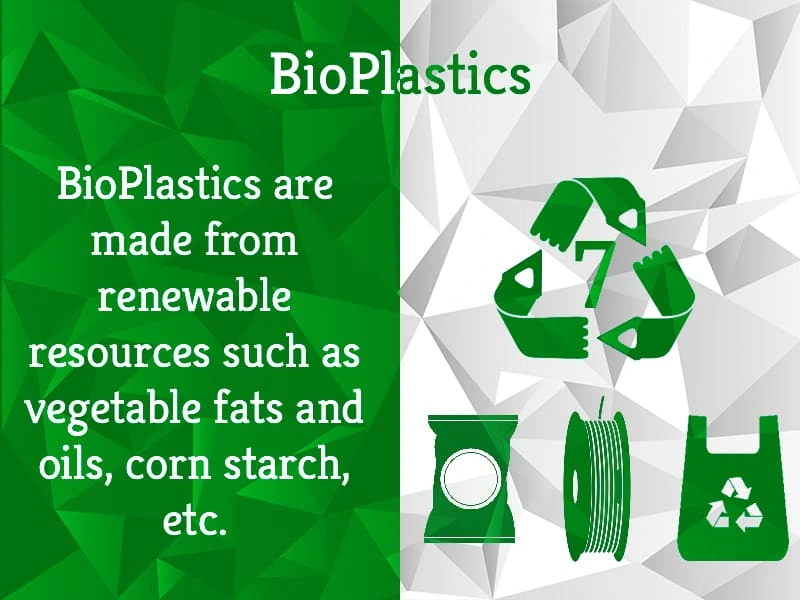
Bioplastics are plastic materials derived from renewable biomass sources such as vegetable fats and oils, corn starch, sugarcane bagasse, straw, woodchips, and recycled food waste rather than petroleum.
It is important to note that not all bioplastics are identical. They generally fall into three primary categories:
- Bio-based and Biodegradable: Made from renewable resources and capable of decomposing naturally into organic matter (e.g., PLA – Polylactic Acid, PHA – Polyhydroxyalkanoates).
- Bio-based and Non-Biodegradable: Derived from plant sources but retain a durable chemical structure similar to conventional plastic (e.g., Bio-PET, Bio-PE).
- Fossil-based and Biodegradable: Synthesized from petrochemicals but designed to break down under specific industrial composting conditions (e.g., PBAT).
Primary Drivers Accelerating Bioplastic Adoption in India
1. Regulatory Policies & The Single-Use Plastic Ban
The Indian government, through the Ministry of Environment, Forest and Climate Change (MoEFCC), introduced stringent measures under the Plastic Waste Management Rules. The nationwide ban on specific Single-Use Plastics (SUP) created an immediate demand vacuum for compliant, compostable materials. Manufacturers certified by the Central Pollution Control Board (CPCB) according to IS/ISO 17088 standards now enjoy a distinct market advantage.
2. Abundance of Agricultural Feedstock
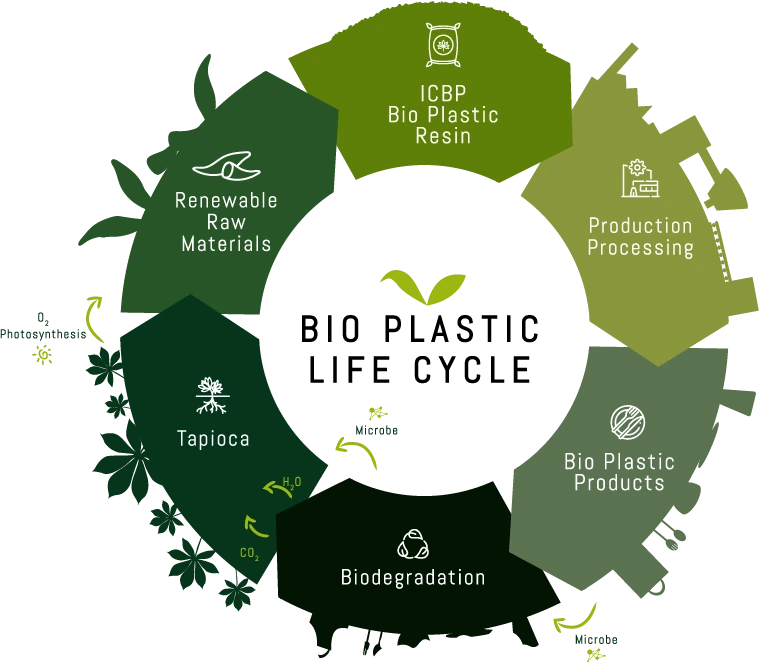
India possesses vast agricultural resources. Feedstocks such as sugarcane bagasse, cassava starch, corn starch, and rice husk are abundantly available. Converting agricultural residue into biopolymers creates a circular economy model while offering an alternative revenue stream for farmers.
3. E-commerce and FMCG Demand
Major e-commerce giants, food delivery aggregators, and FMCG brands operating in India are committing to ambitious net-zero targets. The demand for compostable packaging film, mailing bags, carry bags, and food containers has surged dramatically across tier-1 and tier-2 cities.
Comparative Analysis: Traditional Plastics vs. Bioplastics
Primary Raw Material: Traditional plastics rely on crude oil and natural gas, whereas bioplastics use renewable biomass such as corn, sugarcane, and starch.
Carbon Footprint: Traditional plastics generate high carbon emissions during extraction and refining, while bioplastics offer up to a 70% lower lifecycle carbon footprint.
Decomposition Period: Traditional plastics take between 400 and over 1,000 years to decompose, compared to bioplastics which break down in 90 to 180 days in industrial composting environments.
CPCB / IS 17088 Compliance: Traditional petrochemical plastics are non-compliant for Single-Use Plastic (SUP) applications, but bioplastics are fully compliant when properly certified.
Recyclability / Disposal: At the end of their lifecycle, traditional plastics are either landfill-bound or mechanically recycled, whereas bioplastics are disposed of through industrial composting or organic decay.
Key Challenges Facing the Indian Bioplastic Sector
Despite strong market momentum, the adoption of bioplastics in India faces several key hurdles:
- High Production Costs: Raw biopolymer resins (like PLA and PHA) currently cost 2 to 3 times more than standard PE or PP resins.
- Processing Infrastructure: Converting biopolymer resins requires precise temperature controls and technical upgrades on conventional machinery.
- Lack of Composting Infrastructure: For compostable plastics to degrade efficiently, access to commercial composting facilities is required.
- Market Mislabeling: Oxo-degradable plastics (which simply break down into microplastics) are sometimes mislabeled as true bioplastics, causing consumer confusion.
The Future Outlook of Sustainable Packaging in India
The Indian bioplastic industry is in a transition phase moving from a niche market into mainstream manufacturing. Driven by local manufacturing under the Make in India initiative, rising R&D investment, and improving biopolymer yields, scale economies are expected to lower raw material costs significantly in the coming years.
For brands, businesses, and packaging manufacturers, adopting certified compostable bioplastics is no longer just a sustainability goal
it is a critical strategy for regulatory compliance and brand trust.
SAKRT – A Brand of Envirly Innovations Pvt Ltd
Ready to Go Green?
Join hundreds of businesses making the switch to eco-friendly packaging solutions.