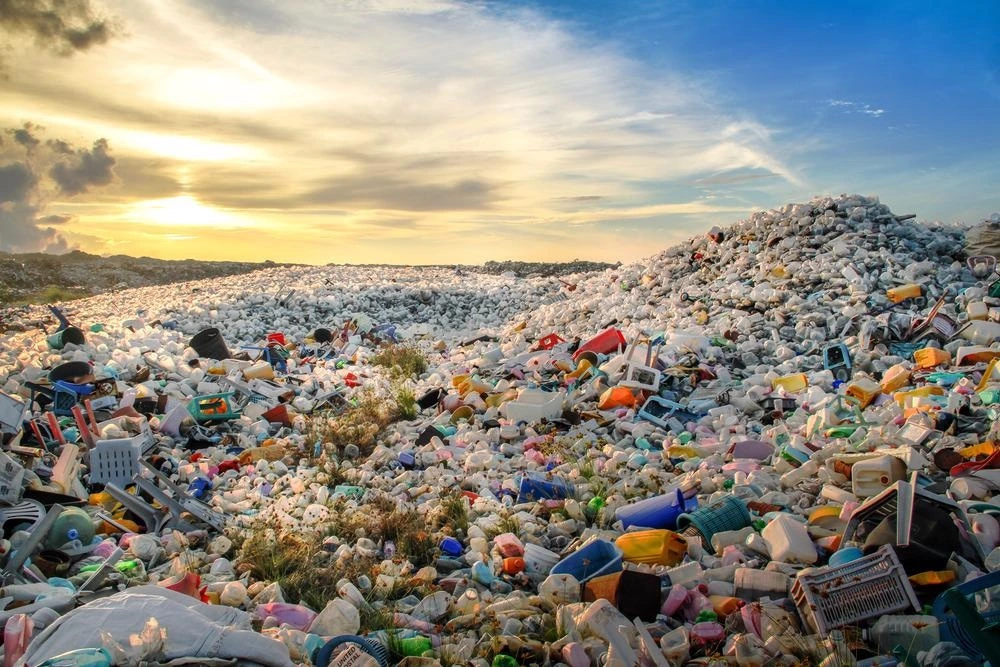
India generates millions of tonnes of plastic waste every year, much of which ends up in landfills or oceans. With the nationwide ban on specific single-use plastics (SUPs) taking effect in recent years, businesses and consumers alike have been scrambling for sustainable alternatives.
Enter bioplastics, the eco-friendly innovation that is rapidly transforming the Indian packaging industry.
But what exactly are Bioplastic packaging in India, and how are they helping India transition toward a greener, circular economy? In this article, we break down the rise of plant-based plastics and how businesses are adapting to this sustainable shift.
What Are Bioplastics?
Traditional plastics are derived from petroleum, a non-renewable fossil fuel. Bioplastics, on the other hand, are made from renewable biomass sources such as corn starch, sugarcane, potato starch, and cellulose.
Because they are derived from plants, bioplastics drastically reduce our carbon footprint. However, not all bioplastics are created equal. It is crucial for Indian businesses to understand the difference between standard biodegradable plastics and truly compostable solutions.
Biodegradable vs. 100% Compostable Bioplastics
- Biodegradable Plastics: These break down over a long time but often leave behind toxic microplastics in the soil and water.
- Compostable Bioplastics: These are designed to break down entirely into water, carbon dioxide, and nutrient-rich biomass within a specific timeframe (usually 90 to 180 days) under industrial or home composting conditions, leaving zero microplastics behind.
To ensure safety and compliance in India, businesses should always look for CPCB-certified (Central Pollution Control Board) compostable products.
The Rise of Plant-Based Packaging in India
The demand for bioplastic packaging in India has surged due to stringent government regulations and growing consumer awareness. Here is how the landscape is changing:
- Retail & E-commerce: With the ban on standard polythene bags, retailers are shifting to compostable carry bags. E-commerce giants are also replacing plastic bubble wrap and shipping bags with starch-based compostable mailers.
- Food & Hospitality: Restaurants and cloud kitchens are ditching plastic cutlery and Styrofoam containers in favor of bagasse (sugarcane waste) tableware and compostable wrapping films.
- Agriculture: Nurseries and farms are adopting compostable grow bags, which can be planted directly into the soil where they naturally decompose, preventing root shock to plants.
How SAKRT is Leading the Bioplastic Revolution
As a premier manufacturer of eco-friendly packaging based in Mangaluru, SAKRT is at the forefront of India’s sustainable transition. We understand that businesses need packaging that is not only good for the planet but also durable and cost-effective.
All SAKRT products are made from natural starches and are 100% CPCB-certified. They look and feel like conventional plastic but decompose naturally within 180 days.
Our CPCB-Certified Bioplastic Solutions
- Compostable Carry Bags: Perfect for supermarkets, boutiques, and retail stores looking for government-compliant alternatives to polythene.
- Eco-Friendly Mailer Bags: Tamper-proof, waterproof, and fully compostable shipping bags for e-commerce brands.
- Garbage Bags & Liners: Heavy-duty compostable trash bags ideal for residential, commercial, and hospital waste management.
- Tableware & Water Bottles: Next-generation bioplastic solutions for events, catering, and daily use.
The Future is Plant-Based
The shift toward bioplastics in India is not just a passing trend; it is a permanent regulatory and environmental necessity. By adopting compostable bioplastic packaging, businesses can stay compliant, reduce their carbon footprint, and appeal to the modern, eco-conscious Indian consumer.
SAKRT – A Brand of Envirly Innovations Pvt Ltd
Ready to Go Green?
Join hundreds of businesses making the switch to eco-friendly packaging solutions.