Single-use plastic is one of the most persistent environmental crises of our time. From clogging oceans to releasing toxic microplastics into our soil, the convenience of traditional polythene comes at a massive cost. As businesses and consumers look for solutions, one question dominates the conversation: Can environmentally friendly bags actually pave the way to a plastic-free future?
The short answer is yes but only if we understand that not all “green” bags are created equal. Let us break down how sustainable packaging is evolving and which solutions offer genuine environmental protection.
The True Cost of Traditional Plastic Bags
Before looking at the solutions, we have to understand the problem. A standard plastic grocery bag is used for an average of 12 minutes but takes over 500 years to break down. Even then, it never truly disappears; it fractures into microplastics that infiltrate the food chain. To combat this, the shift toward environmentally friendly bags is no longer just a trend it is a regulatory requirement and a moral necessity.
Exploring the Types of Environmentally Friendly Bags
1. Reusable Cloth and Jute Bags
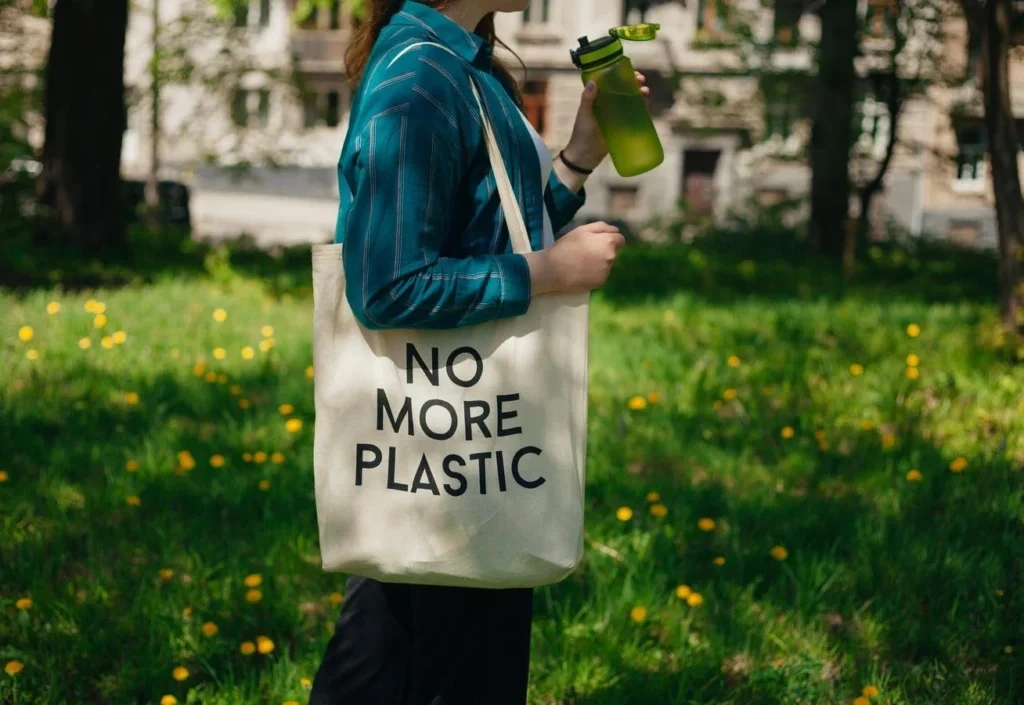
Canvas, cotton, and jute bags are excellent for individual consumers going to the grocery store. They are highly durable and reduce daily plastic reliance. However, they require massive amounts of water and energy to produce. To offset its carbon footprint, a single cotton tote must be used hundreds of times. Furthermore, they aren’t practical for commercial applications like e-commerce mailers, garbage liners, or nursery bags.
2. "Biodegradable" Plastics (The Greenwashing Trap)
Many bags marketed as “biodegradable” are actually traditional plastics mixed with chemical additives (oxo-degradable). While they break down faster than standard plastics, they still leave behind toxic microplastics. They are heavily restricted or banned in many regions, including India, because they harm the environment under the guise of sustainability.
3. 100% Compostable Bags (The Real Solution)
If we want a truly plastic-free future, compostable bags are the answer. Made from plant-based materials like corn starch (PLA and PBAT), these bags look and feel like plastic but act like organic matter.
Why Compostable is the Ultimate Environmentally Friendly Bag
At SAKRT, we manufacture 100% compostable bags because they provide the only closed-loop solution to plastic pollution. Here is why they are the future of packaging:
- Zero Microplastics: Unlike biodegradable plastics, compostable bags break down completely into water, carbon dioxide, and nutrient-rich biomass.
- 180-Day Decomposition: When placed in a composting environment, these bags decompose in just 3 to 6 months not centuries.
- CPCB Certified: Legitimate environmentally friendly bags must meet strict government standards. SAKRT’s products are certified by the Central Pollution Control Board (CPCB) of India, ensuring they are entirely plant-based and legal to use.
- Versatility: Compostable technology has advanced rapidly. Today, plant-based materials are used for heavy-duty garbage bags, tamper-proof e-commerce mailers, and retail carry bags.
How Switching Helps Your Business
Adopting environmentally friendly bags is not just about saving the planet; it is a strategic business move. Consumers are actively choosing brands that demonstrate environmental responsibility. By switching to CPCB-certified compostable packaging, your business can:
- Stay compliant with government single-use plastic bans.
- Enhance your brand’s green image and attract eco-conscious customers.
- Directly contribute to a localized, circular economy.
Make the Switch to a Plastic-Free Future Today
The transition away from single-use plastics is entirely possible, provided we choose the right alternatives. Environmentally friendly bags specifically 100% compostable options offer the convenience we are used to without the devastating ecological footprint.
SAKRT – A Brand of Envirly Innovations Pvt Ltd
Ready to Go Green?
Join hundreds of businesses making the switch to eco-friendly packaging solutions.