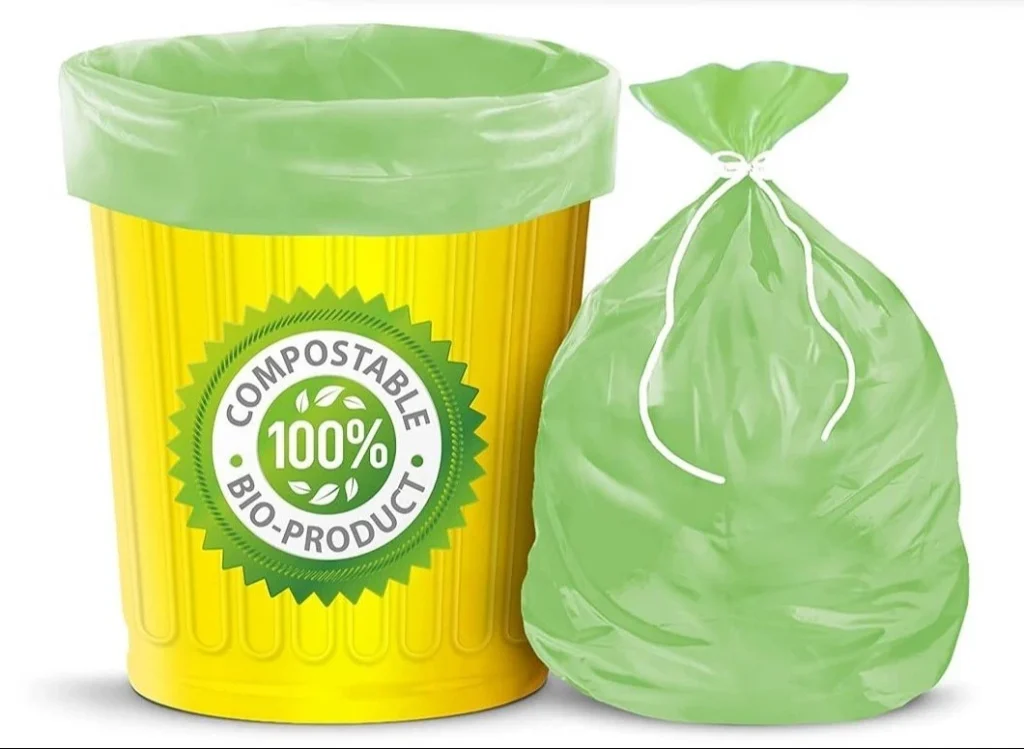
Biodegradable garbage bags. India generates over 62 million tonnes of municipal solid waste annually, with a significant portion consisting of organic food waste wrapped in single-use plastic trash bags. When organic waste is sealed inside conventional petroleum-derived garbage bags, it cannot decompose naturally in landfills. Instead, it generates harmful methane gas and leaches toxic microplastics into the surrounding soil.
To build a cleaner, zero-waste future, households, commercial establishments, and municipal bodies across India are shifting toward biodegradable garbage bags. However, not all bio-bags are created equal.
Understanding how plant-based, 100% compostable garbage bags work is the key to revolutionizing daily waste management and achieving full environmental compliance.
Why Traditional Plastic Trash Liners Are Ruining India’s Waste Management
The Landfill Trap & Methane Emissions
When organic kitchen waste is trapped inside a conventional plastic bag in a landfill, oxygen cannot penetrate. This creates anaerobic conditions where organic matter rots slowly, releasing potent greenhouse gases like methane instead of converting into nutrient-rich soil.
Microplastic Contamination in Organic Compost
Many municipal composting plants in India receive wet waste wrapped in plastic bags. Sorting these bags mechanically or manually is inefficient. Shredded plastic particles end up mixed into agricultural compost, contaminating farmlands with microplastics and heavy metals.
Biodegradable vs. Compostable Garbage Bags: Understanding the Critical Difference
Before purchasing waste liners for your home or business, it is vital to understand the material science and legal definitions under India’s Plastic Waste Management (PWM) Rules.
Feature | Generic “Biodegradable” Bags | SAKRT CPCB-Certified Compostable Bags |
Material Base | Petroleum plastic + oxo-additives | Cornstarch, PBAT & natural polymers |
Decomposition Output | Microplastics & chemical residue | Water, CO₂, & natural biomass |
Time Frame | Years (unpredictable) | Within 180 days in composting conditions |
Legal Compliance | Banned/Restricted in many states | 100% CPCB approved & legally compliant |
The Danger of Oxo-Biodegradable Bags
Generic “biodegradable” bags often contain chemical additives that accelerate fragmentation. They break into invisible plastic particles rather than degrading organically. These bags fail environmental safety standards and contribute directly to soil pollution.
The CPCB Compostable Standard (The SAKRT Difference)
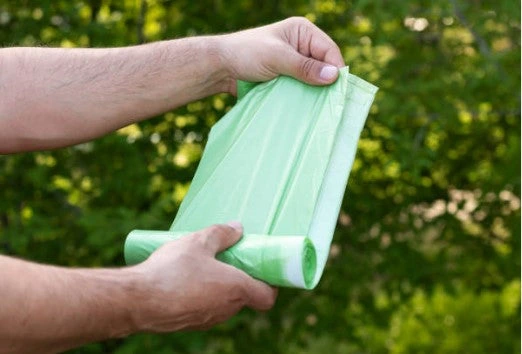
True eco-friendly disposal requires 100% compostable products. SAKRT’s compostable trash bags are engineered from plant starches. When placed in a composting bin or municipal processing site, micro-organisms consume the material, turning the bag and its organic contents into rich compost.
How SAKRT Compostable Garbage Bags Elevate Waste Management
SAKRT provides high-performance, plant-based garbage bags tailored for Indian households, corporate offices, hotels, and healthcare institutions.
Rapid 180-Day Natural Decomposition
SAKRT garbage liners break down completely within 180 days in a composting setup, leaving zero toxic residue or microplastics behind.
Heavy-Duty, Leak-Proof Engineering
Indian wet waste typically contains high moisture from gravies, tea leaves, and organic oils. SAKRT bags feature star-sealed bottoms and high tensile strength to prevent tears, bottom bursts, and foul-smelling leaks.
Full CPCB Certification & Legal Peace of Mind
Every batch of SAKRT compostable liners carries a CPCB registration code and QR code, ensuring complete compliance with Central Pollution Control Board regulations across India.
Best Practices for Using Compostable Trash Bags in Homes & Businesses
Adopting sustainable waste management requires matching the right bag to the right waste stream.
Residential Kitchen Waste Management
- Place a SAKRT compostable liner inside your indoor kitchen bin for food scraps, fruit peels, and vegetable waste.
- Once full, tie the handles and drop the entire bag directly into your community organic compost bin or home composter.
- Do not mix non-biodegradable items (like glass or aluminum foil) into compostable liners.
Switch to SAKRT 100% Compostable Garbage Bags Today
Eliminate single-use plastic from your waste management routine. Whether you need small pedal-bin liners for your home or heavy-duty commercial garbage bags for your business in Mangaluru, SAKRT delivers CPCB-certified, eco-friendly strength.
SAKRT – A Brand of Envirly Innovations Pvt Ltd
Ready to Go Green?
Join hundreds of businesses making the switch to eco-friendly packaging solutions.