Did you know that over 60% of the daily waste generated in an average Indian household is organic, wet kitchen waste? When this organic matter ends up in landfills, it decomposes unnaturally, releasing methane, a greenhouse gas much more potent than carbon dioxide.
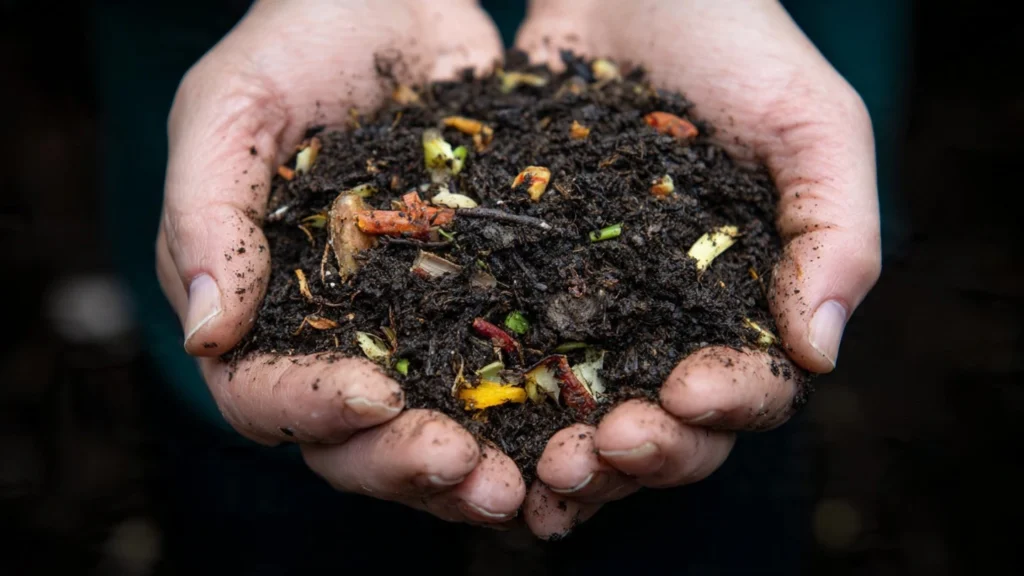
The solution is surprisingly simple, deeply traditional, and easily doable right in your balcony or backyard Home Composting.
Whether you live in a high-rise apartment in Mumbai or an independent house in Mangaluru, this step-by-step guide will teach you how to convert your kitchen scraps into “black gold” (nutrient-rich fertilizer) without any foul odours or pest problems.
What Are the Benefits of Home Composting?
Composting isn’t just a trend; it is a vital step toward sustainable living. Here is why you should start today.
- Reduces Landfill Burden: Diverting wet waste from local municipal bins significantly reduces the strain on your city’s waste management infrastructure.
- Creates Free, Organic Fertilizer: Your plants, balcony gardens, and terrace vegetables will thrive on the chemical-free, nutrient-dense compost you produce.
- Lowers Carbon Footprint: By managing waste at the source, you reduce the carbon emissions associated with garbage transportation.
- Odour-Free Kitchen Bins: When managed correctly, separating wet waste from dry waste actually keeps your kitchen smelling fresher.
How to Start Composting at Home (Step-by-Step)
Step 1: Choose the Right Composting Bin
Your setup depends on your space.
- For Apartments (Balcony Composting): Opt for a terracotta layered composter (like a Khamba), a Bokashi bin, or a compact aerobic plastic bin. These take up very little space and look neat in tight balcony corners.
- For Independent Houses (Backyard Composting): You can use larger tumbling composters, wire-mesh bins, or simply dig a compost pit directly in the soil.
Understand the "Greens" and "Browns"
A successful, odour-free compost pile requires a balance of nitrogen (Greens) and carbon (Browns).
- Greens (Wet Waste – Nitrogen): Vegetable peels, fruit scraps, coffee grounds, tea leaves, and crushed eggshells.
- Browns (Dry Waste – Carbon): Dry leaves, newspaper strips, cardboard (without shiny tape), coconut coir, and dry grass clippings.
Pro Tip for Indian Kitchens: Since our daily cooking generates high amounts of wet greens, always keep a sack of coco peat, sawdust, or dry leaves nearby to balance the moisture.
Step 3: The Layering Process
- Base Layer: Add a 2-inch layer of “Browns” (like dry leaves or coco peat) at the bottom of your bin to absorb excess moisture.
- Add Scraps: Dump your daily kitchen “Greens.”
- Cover Up: Always cover the fresh wet waste with another handful of “Browns.” Never leave wet waste exposed; this is what attracts fruit flies.
- Inoculant (Optional): Add a handful of semi-done compost, sour buttermilk, or compost microbes to speed up the decomposition.
Step 4: Aeration and Maintenance
Compost needs to breathe. Every 3 to 4 days, use a small trowel or stick to give the pile a quick stir. This allows oxygen to reach the center, preventing bad smells (which only happen when the pile lacks oxygen).
What NOT to Put in Your Compost Bin
To keep your compost healthy and pest-free, completely avoid:
- Plastic packaging (unless it is certified compostable)
- Meat, bones, and fish scraps (these attract rodents and maggots in standard bins)
- Dairy products (cheese, butter, milk)
- Oil and greasy foods
- Pet waste
How SAKRT Makes Waste Segregation Easier
One of the biggest hurdles to home composting is the mess of transferring wet waste from your indoor kitchen caddy to your outdoor compost bin. Traditional plastic garbage bags ruin the compost, and going bin-less can be messy.
This is where SAKRT’s CPCB-Certified Compostable Garbage Bags come in. Made from 100% plant-based materials, you can line your indoor kitchen caddy with a SAKRT bag, fill it with vegetable peels all day, and throw the entire bag directly into your compost bin.
Because our bags contain zero toxic microplastics and are designed to break down naturally within 180 days, they will safely decompose right alongside your kitchen scraps, leaving nothing behind but healthy soil.
Start Your Composting Journey Today
Nature doesn’t do “waste.” Every peel and scrap has a purpose. By setting up a simple bin and following the green-to-brown ratio, you can take a massive step toward a zero-waste lifestyle.
Ready to make waste segregation effortless and eco-friendly? Explore SAKRT’s range of 100% compostable garbage bags and eco-packaging solutions today.
SAKRT – A Brand of Envirly Innovations Pvt Ltd
Ready to Go Green?
Join hundreds of businesses making the switch to eco-friendly packaging solutions.