In recent years, plastic pollution has evolved from a visible environmental crisis littered beaches and overflowing landfills into an invisible health concern. Tiny particles known as microplastics are now found in the deepest ocean trenches, atmospheric rain, the food on our plates, and even inside human blood and tissues.
As awareness grows, understanding what microplastics are, where they originate, and how they affect human health in daily life is critical for making informed lifestyle and waste management choices.

What Are Microplastics?
Microplastics are synthetic polymer fragments measuring less than 5 millimeters in size roughly the size of a sesame seed or smaller. Particles smaller than 1 micrometer are categorized as nanoplastics, which pose an even greater challenge due to their ability to cross cellular barriers.
Microplastics fall into two primary categories based on how they originate:
1. Primary Microplastics
These are intentionally manufactured at a tiny scale for specific commercial or industrial applications:
- Microbeads: Exfoliants found in cosmetics, toothpaste, and facial scrubs.
- Nurdles: Plastic resin pellets used as raw materials in plastic manufacturing.
- Synthetic Microfibers: Shed from polyester, nylon, and acrylic clothing during routine washing.
2. Secondary Microplastics
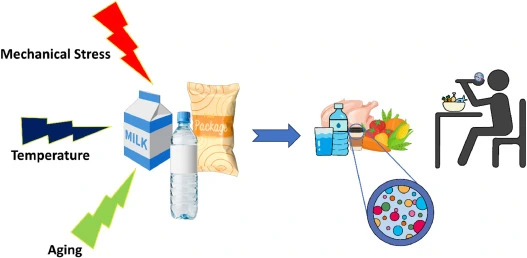
These result from the degradation and fragmentation of larger plastic items caused by mechanical wear, chemical exposure, and solar ultraviolet (UV) radiation:
- Single-use plastic bags, bottles, and food containers.
- Wear and tear from synthetic automotive tires on roads.
- Synthetic fishing nets and industrial plastic waste left in nature.
How Microplastics Enter the Human Body
Microplastics enter daily human life through three primary pathways: ingestion, inhalation, and dermal contact.
Exposure Pathway | Common Daily Sources | Estimated Annual Exposure |
Ingestion | Bottled water, seafood, sea salt, tap water, tea bags | 39,000 to 52,000 particles per year |
Inhalation | Indoor airborne synthetic dust, synthetic textiles, tire dust | Up to 70,000+ additional particles per year |
Dermal Exposure | Microbead cosmetics, synthetic clothing fibers | Minimal systemic absorption, but localized skin irritation |
Microplastics in Food and Drinking Water
Research shows that bottled water contains significantly higher concentrations of microplastics than tap water often up to 10 to 100 times more per liter due to degradation from packaging and capping processes. Additionally, marine animals ingest ocean microplastics, leading to bioaccumulation up the food chain to humans.
Inhaling Airborne Microparticles
Indoor environments often contain higher concentrations of microplastics than outdoor air. Synthetic carpets, fleece blankets, and upholstered furniture shed tiny microfibers that suspend in air dust and are easily inhaled into deep lung tissues.
Health Impacts of Microplastics: What Research Shows
While scientific studies are ongoing, toxicological research highlights several potential health risks associated with chronic microplastic exposure:
1. Cellular Toxicity and Inflammation
When sharp microplastic particles accumulate in body tissue, they trigger physical irritation and localized inflammation. Chronic exposure can cause oxidative stress, damaging cellular components and accelerating cell death.
2. Chemical Exposure and Endocrine Disruption
Plastics contain toxic additive chemicals including phthalates, Bisphenol A (BPA), and flame retardants. These chemicals act as endocrine disruptors, mimicking or blocking natural hormones. Potential biological consequences include:
- Hormonal imbalances and metabolic disruption.
- Reproductive system interference.
- Increased susceptibility to metabolic conditions.
3. Microbial Vector Risk
Microplastics in water systems accumulate a biological layer known as a “plastisphere”—a breeding ground for harmful pathogens and antibiotic-resistant bacteria that travel through water streams.
Actionable Steps to Reduce Microplastic Exposure in Daily Life
Eliminating microplastics entirely is challenging, but targeted daily habit adjustments can significantly lower exposure:
- Switch from Bottled to Filtered Tap Water: Use a certified reverse-osmosis or high-grade carbon block water filter rather than single-use plastic bottled water.
- Reconsider Food Storage: Never microwave food in plastic containers or heat single-use plastic takeaway tubs, as heat dramatically accelerates chemical and microparticle leaching. Choose glass, ceramic, or stainless steel instead.
- Opt for Natural Textiles: Choose clothing and bedding made from organic cotton, wool, linen, or hemp to minimize synthetic dust in your home.
- Use Microfiber Filters in Washing Machines: Install a laundry lint-catcher filter or wash bag to trap microfibers before they discharge into municipal wastewater systems.
- Support Responsible Waste Management: Proper collection, segregation, and circular recycling prevent macro-plastics from breaking down into secondary microplastics in soil and waterways.
The Role of Sustainable Waste Management
Individual actions must be supported by systemic industrial solutions. Curbing microplastic pollution requires intercepting plastic waste at the source before environmental degradation occurs.
Through circular economy principles, modern recycling processes, and structured waste management systems, [suspicious link removed] works to prevent plastic waste from ending up in ocean ecosystems and landfills—protecting public health and environmental biodiversity for future generations.
SAKRT – A Brand of Envirly Innovations Pvt Ltd
Ready to Go Green?
Join hundreds of businesses making the switch to eco-friendly packaging solutions.