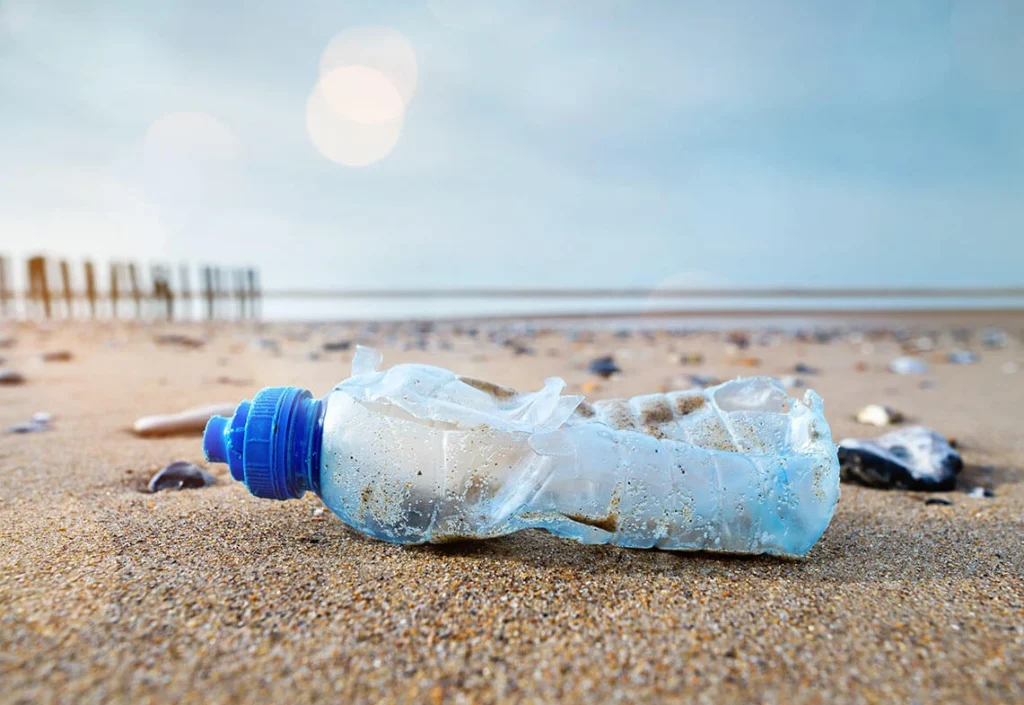
Every single minute, humans purchase roughly 1 million plastic bottles around the globe. What was once celebrated as a revolutionary convenience in beverage packaging has evolved into one of the most pressing environmental crises of our time.
From pristine marine habitats to urban waterways, discarded plastic bottles represent a significant portion of global single-use plastic waste. Understanding the scale of this issue and implementing modern waste management solutions is vital for mitigating long-term ecological and human health risks.
The Staggering Scale of Plastic Bottle Pollution
Polyethylene terephthalate (PET) is the primary material used to manufacture single-use drink containers. While PET is lightweight and shatterproof, its durability becomes a massive liability once thrown away. Most plastic bottles are used for minutes but persist in the environment for centuries.
Key Statistics at a Glance
Metric | Industry Statistic |
Global Production | Over 500 billion plastic bottles produced annually |
Decomposition Time | 450 to 1,000 years per bottle |
Recycling Rate | Less than 10–15% globally are recycled into new bottles |
Ocean Input | Millions of metric tons of plastic enter oceans every year |
Environmental Impacts of Plastic Bottle Waste
When single-use plastic bottles are not properly collected or managed, they break down through weather and UV exposure into smaller particles, wreaking havoc on natural ecosystems.
1. Destruction of Marine Ecosystems
Millions of plastic bottles find their way into rivers and oceans every year. Marine animals including sea turtles, seabirds, and whales often mistake floating bottle caps and fragmented plastic debris for food. Ingestion leads to internal blockages, malnutrition, and death.
2. Soil Contamination and Landfill Overload
Landfills are overburdened with discarded beverage packaging. As plastic bottles decompose underground, toxic chemicals seep into surrounding soil and underlying groundwater tables, altering natural nutrient cycles.
Human Health Risks Associated with Plastic Bottles
Chemical Leaching
When stored in high temperatures or reused beyond their intended lifespan, single-use plastic containers can leach chemicals like antimony, phthalates, and bisphenol derivatives into liquid contents.
Microplastics in the Food and Water Supply
As plastic bottles degrade, they shatter into microplastics (particles smaller than 5mm). Recent environmental studies have detected microplastics in tap water, commercial bottled water, seafood, and human blood streams.
Why Traditional Recycling Isn't Enough
While recycling is frequently promoted as the primary answer to plastic pollution, structural limitations remain:
- Downcycling: Most recycled PET bottles are downcycled into synthetic fibers for textiles or carpeting, which cannot be recycled again and eventually reach landfills.
- Economic Disincentives: In many regions, producing brand-new “virgin” plastic remains cheaper than collecting, sorting, and washing recycled PET.
- Infrastructure Deficits: Many municipal waste systems lack the specialized equipment required to process high volumes of plastic bottle waste effectively.
Sustainable Solutions for Plastic Bottle Waste Management
Addressing the global challenge of plastic bottles requires a multi-layered approach combining consumer behavior, corporate policy, and waste management infrastructure.
Individual Action & Reusable Alternatives
- Switch to Reusables: Transitioning to stainless steel or glass bottles eliminates hundreds of single-use containers per person each year.
- Support Refill Stations: Using municipal water filtration systems reduces reliance on commercial bottled water.
Extended Producer Responsibility (EPR)
Governments are increasingly holding beverage manufacturers accountable for the lifecycle of their packaging through Extended Producer Responsibility (EPR) frameworks. EPR mandates encourage companies to design easily recyclable bottles and invest in post-consumer recovery systems.
Advanced Collection Systems & Deposit-Return Schemes (DRS)
Countries that implement Deposit-Return Schemes where consumers receive a small financial refund upon returning empty plastic bottles achieve collection rates exceeding 90%.
Conclusion
The growing volume of plastic bottles in global waste streams poses serious challenges to ecosystems and public health. However, through consumer awareness, stronger Extended Producer Responsibility policies, and modernized waste management solutions, we can reduce reliance on single-use plastics and move toward a cleaner, more sustainable future.
SAKRT – A Brand of Envirly Innovations Pvt Ltd
Ready to Go Green?
Join hundreds of businesses making the switch to eco-friendly packaging solutions.