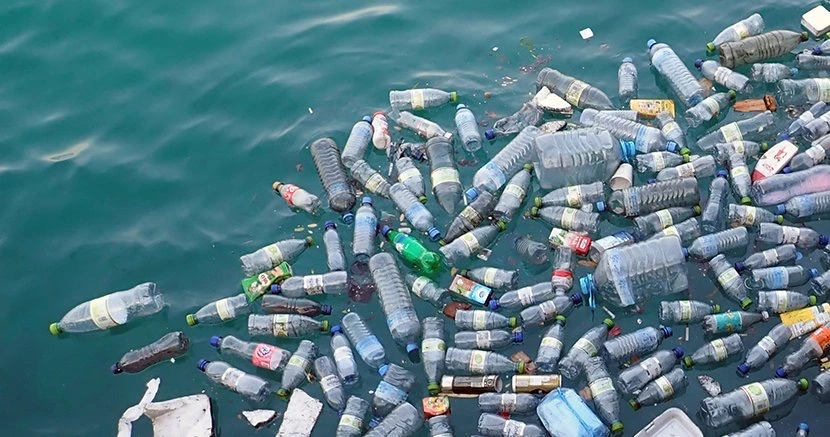
We use a plastic grocery bag for an average of 12 minutes. Yet, that same bag will remain on our planet for over 500 years.
When we ask, “What is the Biggest Problem with Single Use Plastics?”, the answer isn’t just about overflowing garbage bins or littered streets. The true crisis lies in the chemical breakdown of these materials and how they silently infiltrate our oceans, our soil, and ultimately, our own bodies.
As India moves toward stricter environmental regulations, understanding the deep-rooted issues of plastic pollution is the first step toward making a sustainable switch. Let’s break down the shocking environmental and health impacts of single-use plastics.
1. The Lifespan Mismatch: Used for Minutes, Lasts for Centuries
The fundamental flaw in single-use plastic design is the mismatch between its usage lifespan and its material lifespan. Items like thin polythene bags, plastic straws, and disposable cutlery are designed for temporary convenience. However, they are made from petrochemicals engineered to last forever.
Because traditional plastic does not biodegrade, every piece of plastic ever manufactured still exists in some form today. It simply piles up in landfills, creating mountains of toxic waste that generate greenhouse gases as they are exposed to sunlight and heat.
2. Microplastics: The Invisible Threat
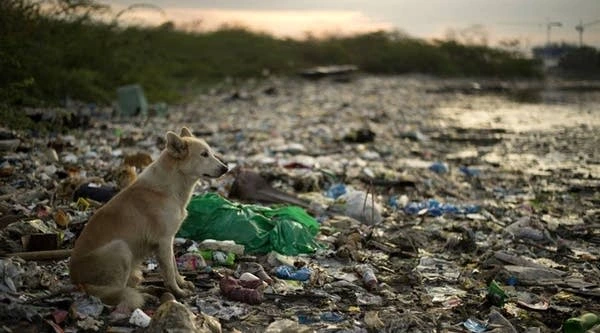
Perhaps the most dangerous problem with single-use plastic is what happens when it “disappears.” Plastic doesn’t decompose; it photodegrades. This means UV radiation from the sun breaks large plastics down into microscopic fragments known as microplastics.
The Impact on Ecosystems and Marine Life
Millions of tons of plastic waste enter the oceans annually. Marine animals, from microscopic plankton to giant whales, ingest these microplastics, mistaking them for food. This leads to starvation, internal injuries, and a devastating collapse of marine ecosystems.
The Human Health Factor
Microplastics don’t just stay in the ocean. They enter the human food chain through seafood, tap water, and even the salt we use. Recent scientific studies have found microplastics in human blood, lungs, and breast milk. The long-term health consequences of ingesting the toxic chemicals used to make plastics such as BPA and phthalates are linked to hormonal disruptions and severe health risks.
3. The Waste Management Crisis
In rapidly growing regions like Dakshina Kannada and across India, waste management infrastructure struggles to keep up with the sheer volume of single-use plastics.
- Clogged Drainage Systems: Flimsy plastic bags frequently block storm drains, leading to severe urban flooding during monsoons.
- Toxic Burning: When waste management systems fail, plastic is often burned in the open. This releases highly toxic furans and dioxins into the air, contributing to severe respiratory illnesses in local communities.
The Solution: Transitioning to 100% Compostable Alternatives
The biggest problem with single-use plastic is that it operates on a linear “take-make-dispose” model. To fix this, we must shift to a circular economy. The good news? The technology already exists.
Businesses and consumers no longer need to rely on toxic polythene. Plant-based, 100% compostable alternatives function exactly like traditional plastics but are designed to return to the earth.
At SAKRT, we manufacture CPCB-certified compostable carry bags, garbage bags, and e-commerce mailers made from corn starch and plant derivatives. Unlike traditional plastics, our products decompose fully within 180 days in a composting environment, leaving behind zero toxic residue and zero microplastics.
Ready to make the switch?
Protecting the environment doesn’t mean sacrificing convenience. Explore SAKRT’s range of CPCB-certified compostable products and join the sustainable packaging revolution today.
SAKRT – A Brand of Envirly Innovations Pvt Ltd
Ready to Go Green?
Join hundreds of businesses making the switch to eco-friendly packaging solutions.